
How to Fix a Garage Door That Won’t Close All the Way
- COMMERCIAL GARAGE DOOR REPAIR
- GARAGE DOOR OPENER INSTALLATION
- GARAGE DOOR SPRING REPAIR
- SAME-DAY GARAGE DOOR REPAIR
- CUSTOM GARAGE DOOR
- GARAGE DOOR OPENER REPAIR
- GARAGE DOOR TRACK REPAIR
- GARAGE DOOR CABLE REPAIR
- GARAGE DOOR PANEL REPAIR
- LOCAL GARAGE DOOR REPAIR
- GARAGE DOOR REPLACEMENT
- NOISY GARAGE DOOR FIX
- GARAGE DOOR INSTALLATION
- GARAGE DOOR SECTION REPLACEMENT
- OVERHEAD GARAGE DOOR REPAIR
- GATE REPAIR
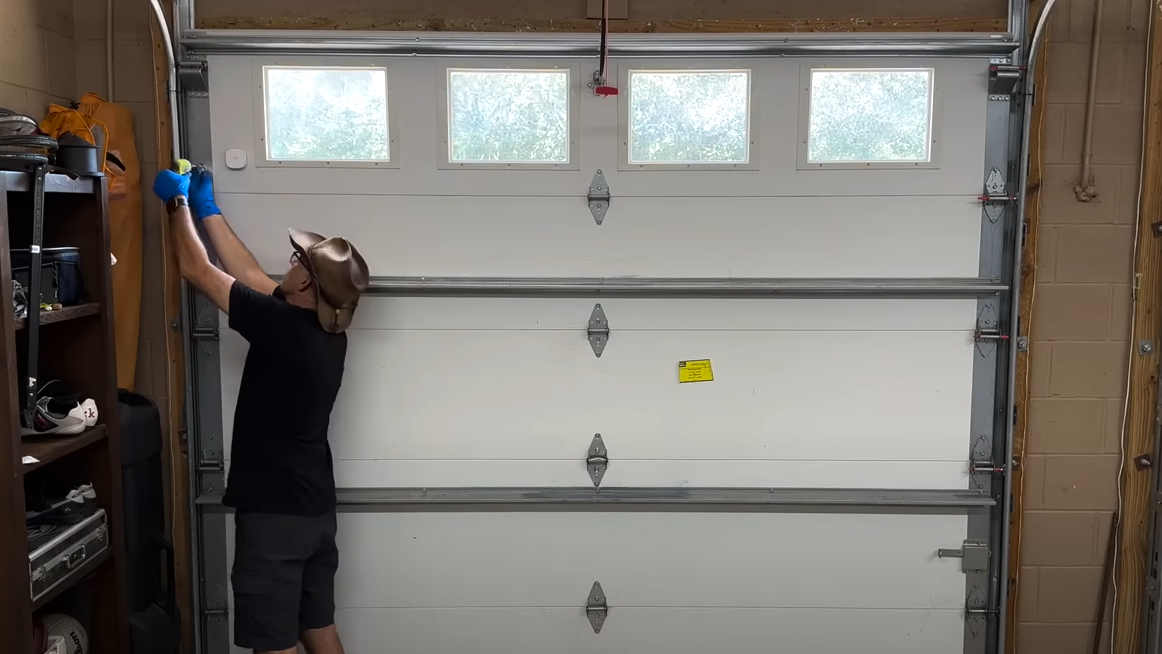
How to Fix a Garage Door That Won't Close All the Way
A garage door that stops short of fully closing creates security risks and lets in weather, pests, and unwanted visitors. This frustrating problem often requires immediate garage door repair attention, but many homeowners can solve the issue themselves with basic troubleshooting techniques. Bradenton FL Garage Door Services encounters this common problem regularly and has identified the most effective solutions that restore proper door operation without expensive service calls.
Troubleshoot Your Garage Door's Closing Issues
Most partial closing problems stem from safety features, mechanical obstructions, or simple adjustments that prevent your door from sealing completely against the floor.
Check Safety Sensors and Clear Obstructions
Modern garage doors use photo-eye sensors positioned near the floor on both sides of the opening. These sensors project an invisible beam across the door’s path and reverse the door’s direction when something blocks the signal.
Inspect both sensors for dirt, spider webs, or debris covering the lenses. Clean the sensors with a soft cloth and mild soap solution, then dry them completely. Even small amounts of dirt can interfere with the sensor beam and prevent proper closing.
Verify the sensors align properly by checking that their indicator lights glow steadily. Most sensors show a solid green or red light when aligned correctly. If the lights blink or appear dim, adjust the sensor brackets until both units point directly at each other.
Remove any objects from the door’s path, including tools, bicycles, storage containers, or debris that might trigger the sensors. Check for ice, snow, or leaves that accumulate near the door during weather events. Sometimes invisible obstructions like spider webs or hanging objects cause sensor interference without obvious visual clues.
Test the sensor function by waving a broom handle through the beam while the door closes. The door should immediately reverse direction when you break the beam. If the door continues closing despite the obstruction, call a professional immediately because this represents a serious safety hazard.
Adjust Travel Limits and Force Settings
To fix garage door closing issues, adjust the opener’s limit settings, typically via screws or digital controls, to ensure the door closes properly without gaps or overtravel. Test the door’s travel distance and make small, gradual adjustments, checking for smooth operation after each change. Inspect the weather seal for damage and ensure the door is balanced for manual operation. If the door reverses upon touching the floor, adjust the force sensitivity as per the manual. Monitor performance over time for consistent operation. For complex issues, like those involving springs or electrical systems, seek professional help to ensure safety and proper repairs.